Showing posts with label first aid. Show all posts

Friday, October 23, 2020

New normal: Best options for a face mask


Wearing face masks have become the norm for billions of people around the world. While there are many masks available in the market along with DIY ones, public health and safety experts like Martin Lloyd Sanders, Ph.D., advise the public to choose high-quality materials that will provide them with the best protection. Here are some expert-approved materials for the daily face mask: 

Image source: Theguardian.com

Cotton quilting fabric

For those who would rather make their masks at home, experts suggest using two layers of quilting fabric. Those who would like to add an extra layer in between the fabric can use a coffee filter, tissue paper, or a thin cloth that they can dispose of before washing the mask. These fabrics can be taken from old clothes or blankets. To make sure that they become useful, Martin Lloyd Sanders, Ph.D. says that the fit and the coverage should be right.

Neoprene

This material is lightweight and stretchable. Neoprene also helps in protecting the face from respiratory droplets. Many neoprene masks are also made of two layers with a slot that can fit filters. Like the cotton type, these can also be washed and reused after each use. 

Image source: Unsplash.com

Surgical and N95 masks

These medical grade masks are usually reserved for health workers and medical frontliners. However, in some places, these masks have already been mass-produced for the public to use. According to public health experts, the materials used for these masks are proven to be effective in shielding the face from respiratory droplets. While use of these masks are convenient, Martin Lloyd Sanders, Ph.D., reminds the public to properly dispose of their used masks by putting them in a closed bin. These masks should be discarded after two to six hours of use.

Captain Martin Lloyd Sanders, Ph.D., has rendered over 10 years of service in occupational safety and health. For more articles like this, check out this page.

Disclaimer: This site was prepared by Martin L. Sanders in his personal capacity. The opinions expressed are the author's own and do not reflect the views of the USPHS, the Department of Health and Human Services, or the United States government.

Wednesday, May 20, 2020

Emergency planning strategies for older adults and caregivers

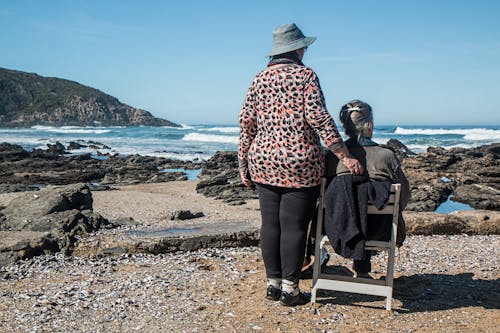
Natural calamities, pandemics, and other emergencies can leave people in distress. During these trying times, older adults are some of the most vulnerable members of the community. Martin Lloyd Sanders, Ph.D., CSP, suggests that before these situations happen, older adults and their caregivers must have an emergency plan they can easily execute. Below are some strategies that can help them stay safe.
Image source: Pixabay.com

Image source: Pexels.com

Have a list of support and contacts

One must have a list of emergency contacts such as one's immediate family, neighbors, and healthcare providers that can easily be contacted in times of emergencies. It would also be useful to have out-of-town contacts in case something happens when the person is away from their home. This list of contacts should be easy to find. For those living alone or in a senior care home, it might be helpful to coordinate with other staff.

Place mobility aids, visual aids, and essential medical equipment in an accessible place

Hearing aids, walkers, wheelchairs, canes, eyeglasses, and other essential equipment should be within a person's reach. When the situation calls for evacuation, older adults and their caregivers will not have difficulties finding these necessities. Having these assistive tools will allow them to move efficiently.

Prepare an emergency kit

Hygiene items, flashlight, radio, cell phones, food and water, first aid kit, change of clothes, undergarments, blankets, copies of essential documents, and medicine should be in a person's emergency kit. When one needs to leave their senior home or residence, having such a kit will ensure that they'll have their necessities even for a few days.

Captain Martin Lloyd Sanders, Ph.D., CSP, is an officer in the Commissioned Corps of the U.S. Public Health Service and has rendered over 10 years of service in occupational safety and health. For more articles like this, check out this page.

Disclaimer: This site was prepared by Martin L. Sanders in his personal capacity. The opinions expressed are the author's own and do not reflect the views of the USPHS, the Department of Health and Human Services, or the United States government.
Friday, March 27, 2020

Essential medicines that should always be in a first aid kit

Having a first aid kit at home, in the office, in the car, or even inside one's daily bag allows a person to prevent sickness and injuries fast. Public health and safety professional Martin Lloyd Sanders, Ph.D., CSP, shares the most important medicines that should always be inside your first aid kit.

Image source: timesnownews.com

Image source: timesnownews.com
Pain-relievers
Ibuprofen, paracetamol, and acetaminophen are some of the most common pain relievers one can easily stock up on. Some of these medications can also address the discomfort caused by cough, colds, and flu. These medications are necessary to prevent inflammation, fever, and body pain.

Antihistamine and autoinjectors
If the individual or someone in the family has a known allergy, it's always important to have extra tablets or epinephrine shots nearby. These medications can address simple to severe allergic reactions, bringing quick relief especially for those who experience symptoms such as itching and breathing difficulties.

Antacid
An upset stomach, indigestion, heartburn, and hyperacidity don't always require a trip to the emergency room. With the right medication, one can be relieved of the discomfort caused by these ailments.

Anti-diarrhea medication
This is important for those who are fond of camping or traveling. Since there's a high chance for outside food to be contaminated, it's best to have anti-diarrhea tablets in the kit to prevent pain and discomfort.

Ointment, creams, and lotions
According to Martin Lloyd Sanders, Ph.D., CSP, calamine lotion, hydrocortisone, antiseptic creams, and other topical medication should be in the first aid kit to protect irritated skin due to injuries, insect bites, and allergies.

Instead of not knowing where to get supplies when the need arises, it's best to keep an inventory of the items inside the first aid kit. Having a well-stocked kit will help people address sickness and injury quicker.

Captain Martin Lloyd Sanders, Ph.D., CSP, is an officer in the Commissioned Corps of the U.S. Public Health Service and has rendered over 10 years of service in occupational safety and health. For more articles like this, check out this blog.

Disclaimer: This site was prepared by Martin L. Sanders in his personal capacity. The opinions expressed are the author's own and do not reflect the views of the USPHS, the Department of Health and Human Services, or the United States government.